About Trinocular Laboratory Microscope
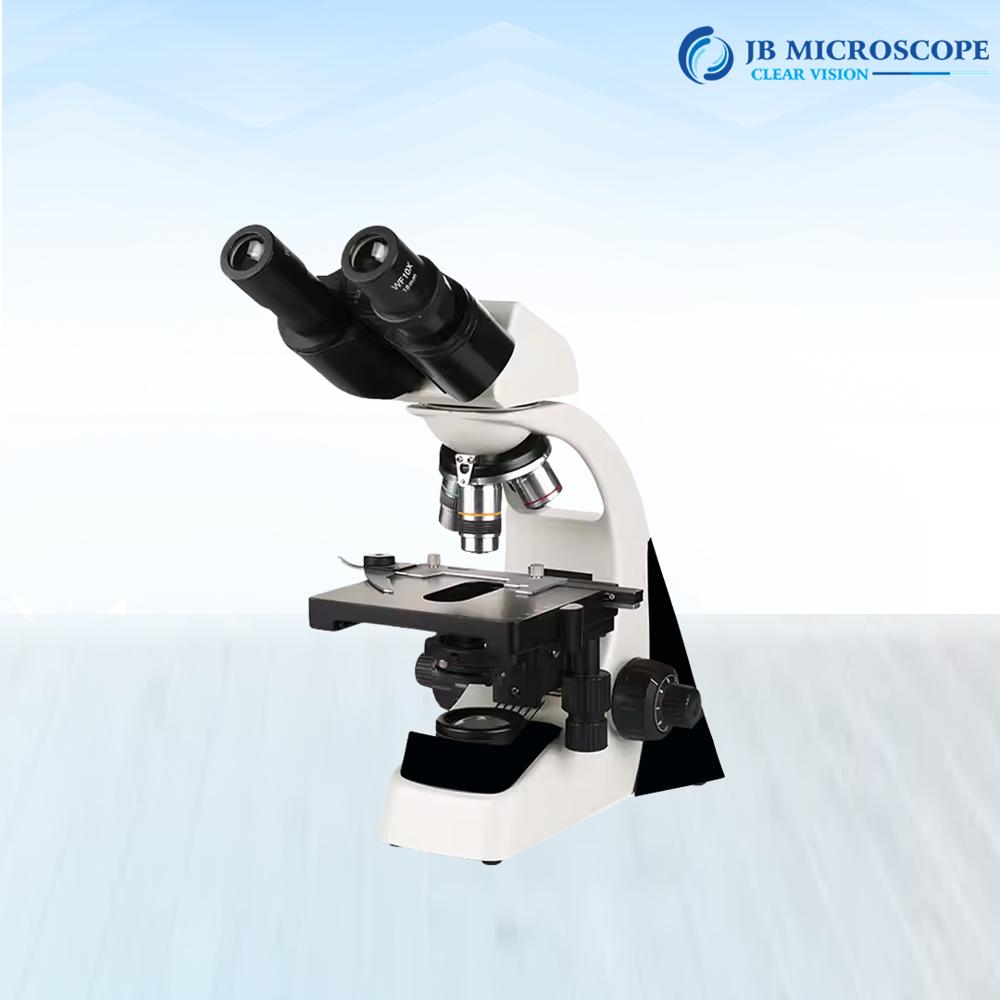
This series microscope is a high precision instrument designed and produced by our company. It is specially designed for clinical examination and teaching demonstration in medical and health establishments, laboratories, agricultural science and technology field, research institutes. It is used for routine work and research in biology, bacteriology cytology and pharmacology.
Specification :
- Eyepiece :WF10X/18mm (optional:WF15X/WF20X)
- Objective :45mm DIN Achromatic
- Objective:4X, 10X, 40X(s), 100X(s,oil)
- Viewing Head :Articulated Free Trinocular head, Interpupillary Distance: 55-75mm; 0inclined, 360 rotatable
- Total Magnification :40X-1000X
- Stage :Double Layers Mechanical Stage: 125X125mm, Moving Range X-Y: 60X40mm
- Condenser :ABBE Condenser: N.A.1.25; 2-30mm Iris Diaphragm and 32 Filter
- Focusing Adjustment :Coaxial Coarse and Fine Focusing Adjustable Mechanism: 14mm
- Illumination: Built-in Adjustable Brightness 1W LED Lamp Built-in Adjustable Brightness 1W LED Lamp
- Net Weight :5kg
Precision and Clarity in Every ObservationAchieve high-resolution imaging with magnifications ranging from 40x to 1000x. The incorporation of achromatic objectives and wide field eyepieces ensures crisp, detailed views, making this trinocular microscope ideal for laboratory analysis and research. The included blue filter improves contrast for enhanced specimen visualization.
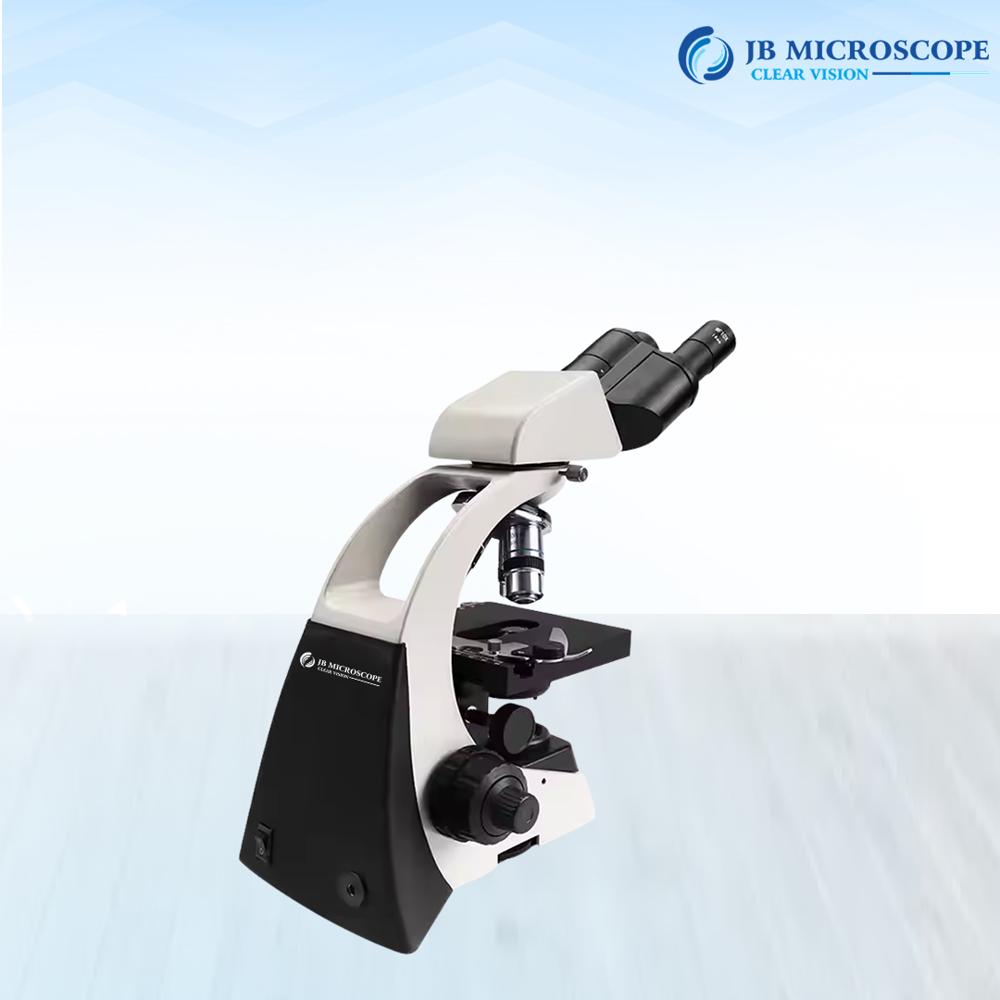
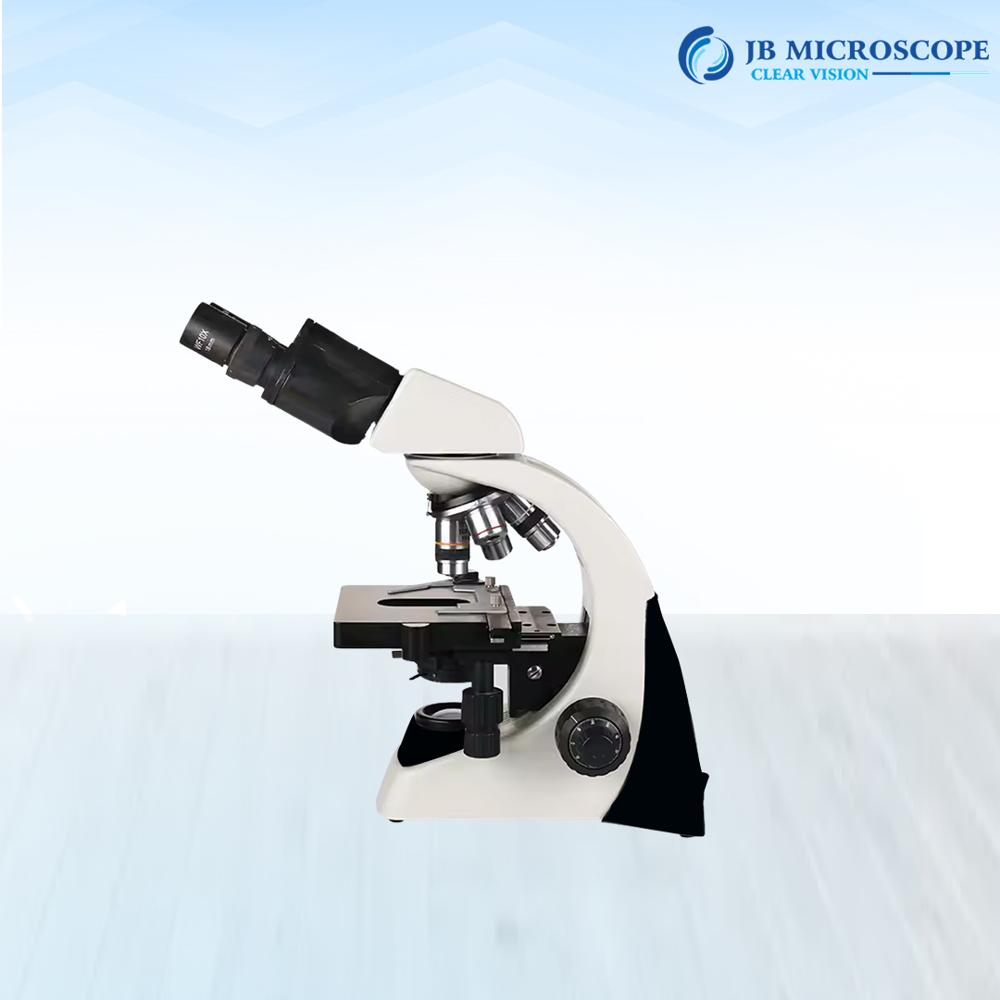
Durable and Ergonomic DesignEngineered with a sturdy all-metal body and anti-rust finish, the microscope withstands heavy laboratory use. Its mechanical stage, smooth focusing controls, and rotatable trinocular head provide both comfort and reliability. The device is lightweight and includes a thermocol/foam box for safe transport and storage.
FAQ's of Trinocular Laboratory Microscope:
Q: How does the trinocular port enhance laboratory microscopy?
A: The trinocular port allows users to attach a camera, enabling real-time image capture and documentation. This feature supports collaborative research and simplifies sharing visual data during analysis or presentations.
Q: What magnification levels are available, and how do they benefit laboratory analysis?
A: This microscope offers magnifications of 40x, 100x, 400x, and 1000x, using achromatic objectives and wide field eyepieces. These levels allow detailed examination of specimens ranging from basic cell structures to more complex tissues.
Q: Where is the microscope commonly used?
A: It is widely utilized in school and college laboratories, research institutions, medical labs, and dealer or retail settings across India, owing to its robust design and versatility.
Q: What process should I follow to adjust illumination for best image quality?
A: Users can select either the built-in LED with variable intensity or activate the external mirror for natural light. Adjust the intensity using the provided controls, and utilize the blue filter for improved contrast when necessary.
Q: How do coarse and fine focusing controls improve observation?
A: The coaxial coarse adjustment allows broad focus movements, while the fine adjustment, precise to 0.002 mm, facilitates sharp, detailed focusing. This dual system ensures smooth control when observing specimens at different depths.
Q: What are the benefits of anti-fungal optics and anti-rust frame construction?
A: Anti-fungal optics prevent fungal growth, maintaining lens clarity over time. The anti-rust metal frame enhances durability, ensuring the microscope's longevity in various environmental conditions.

 Send Inquiry


 Get Latest Price

 Send Inquiry


