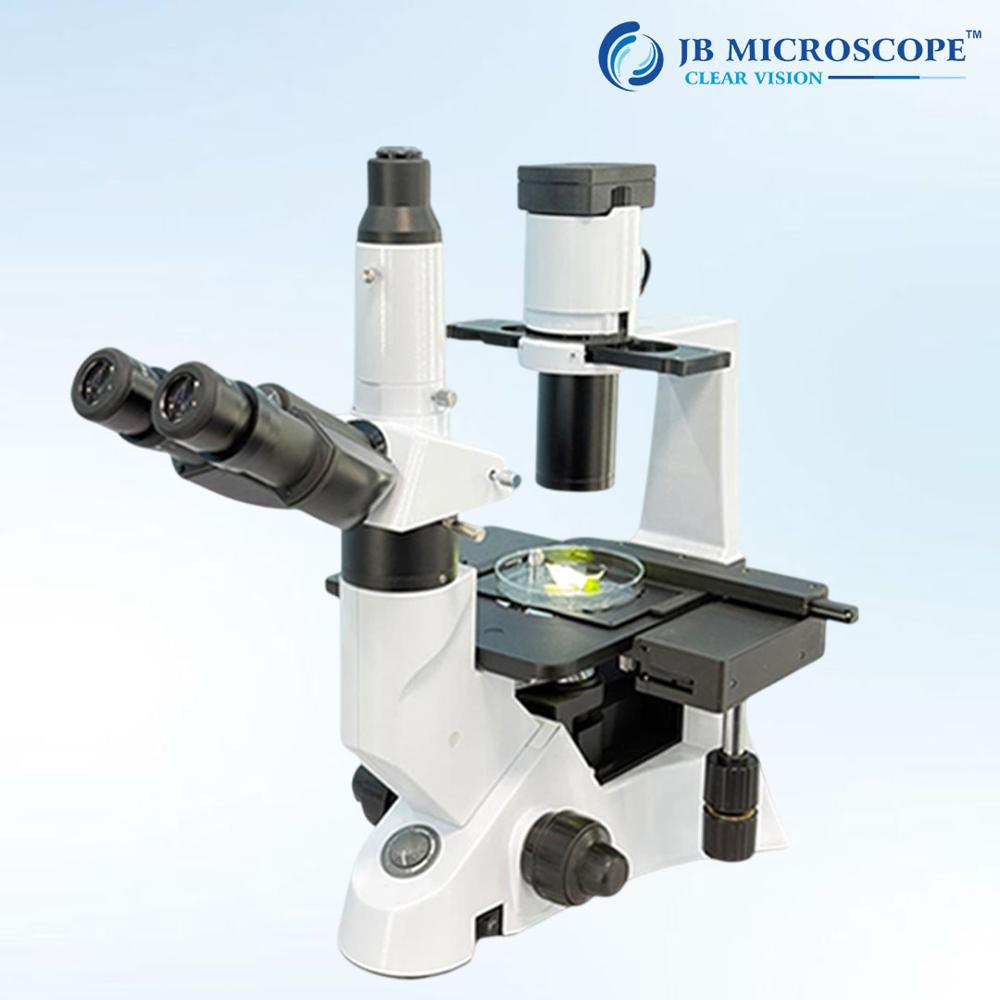
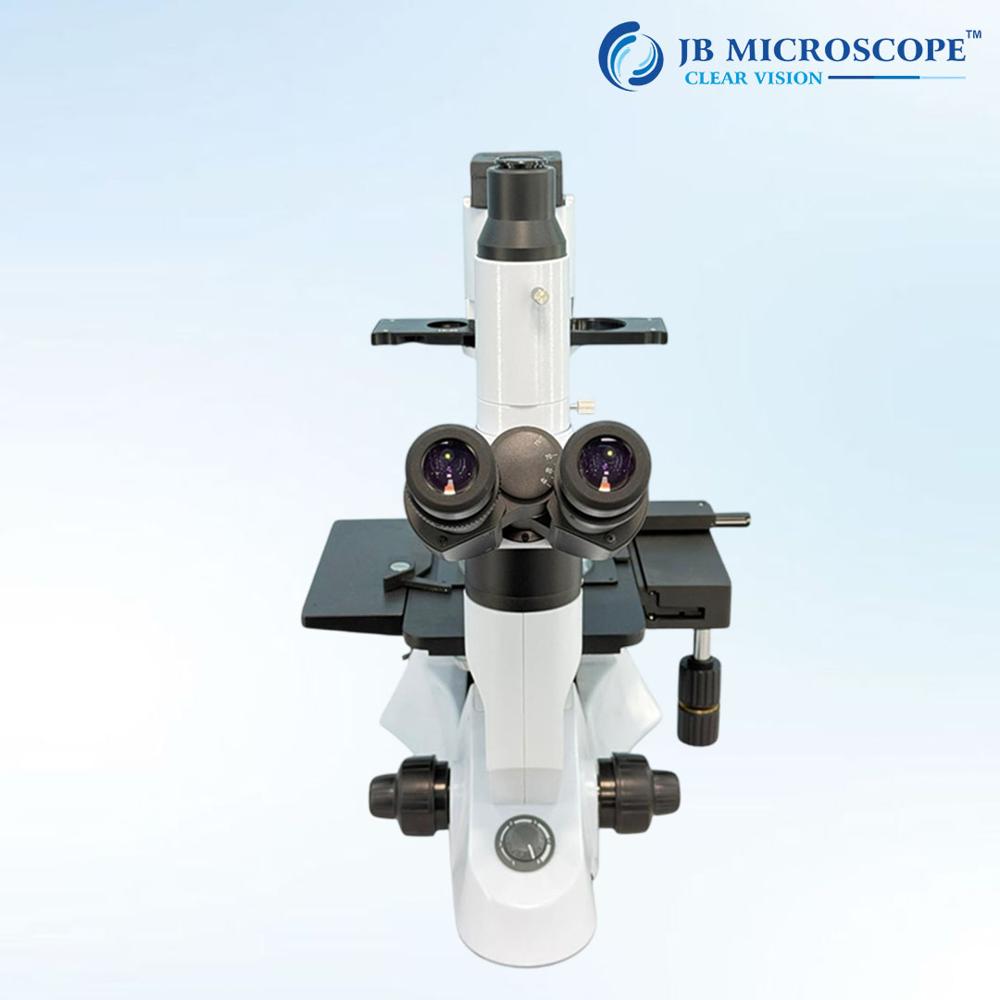
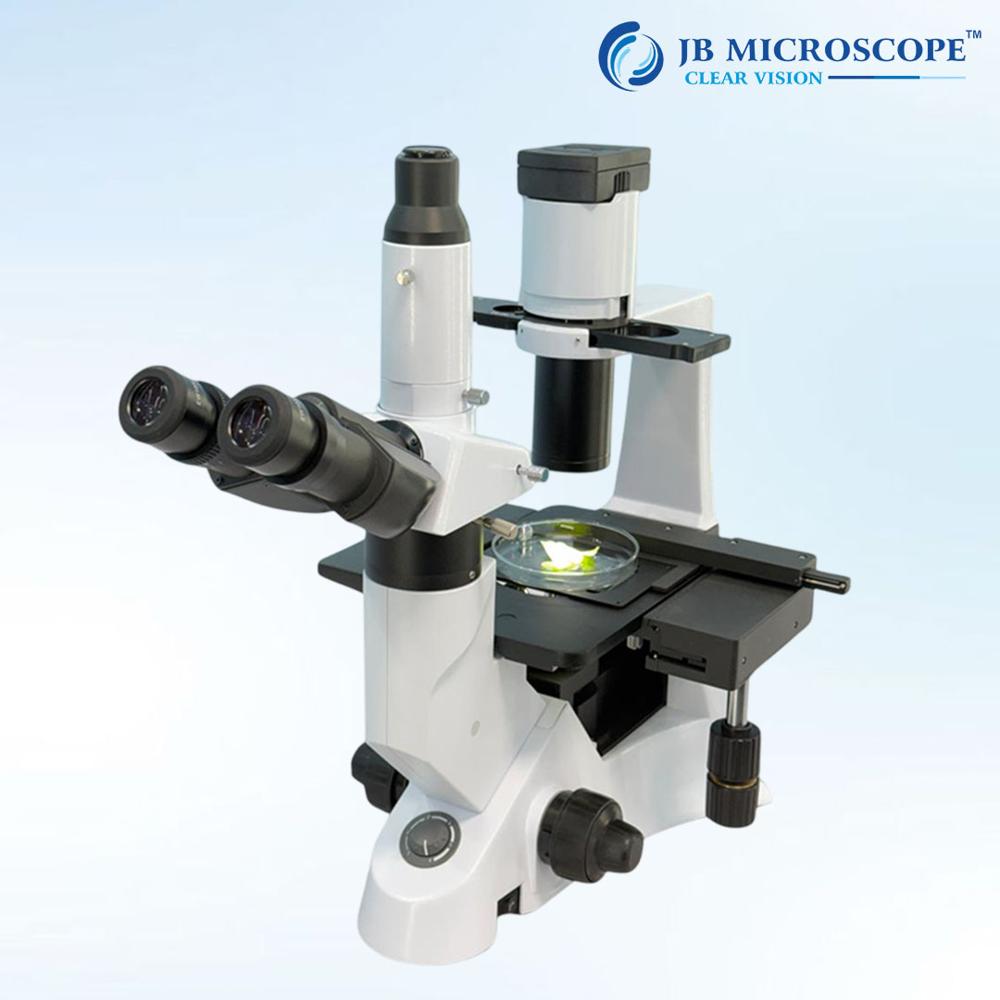
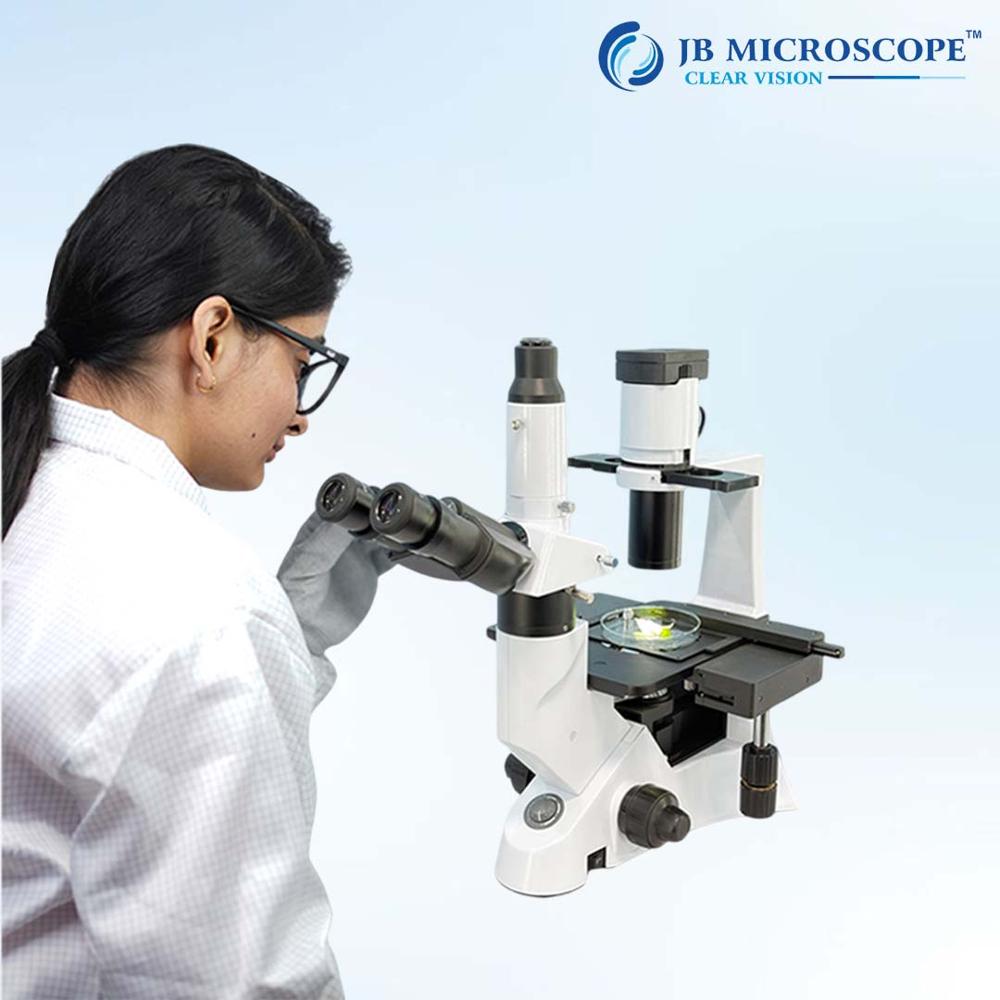
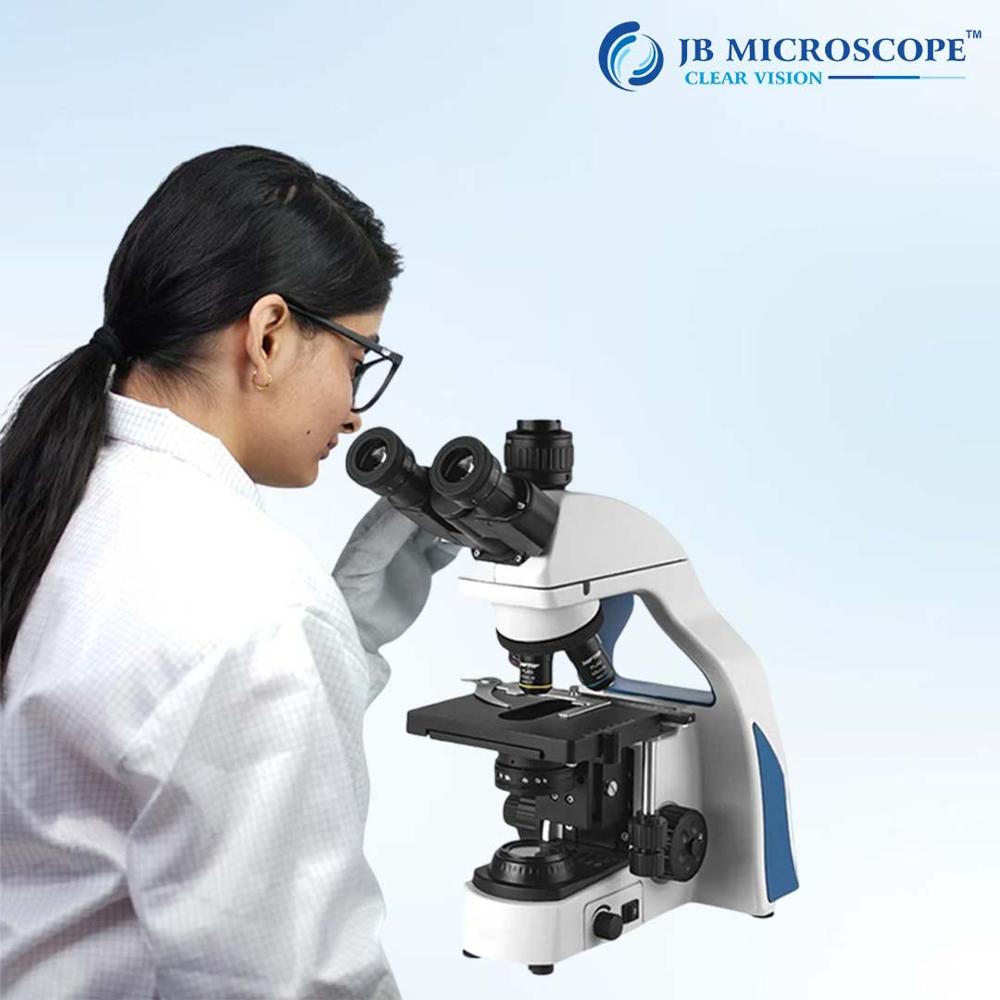
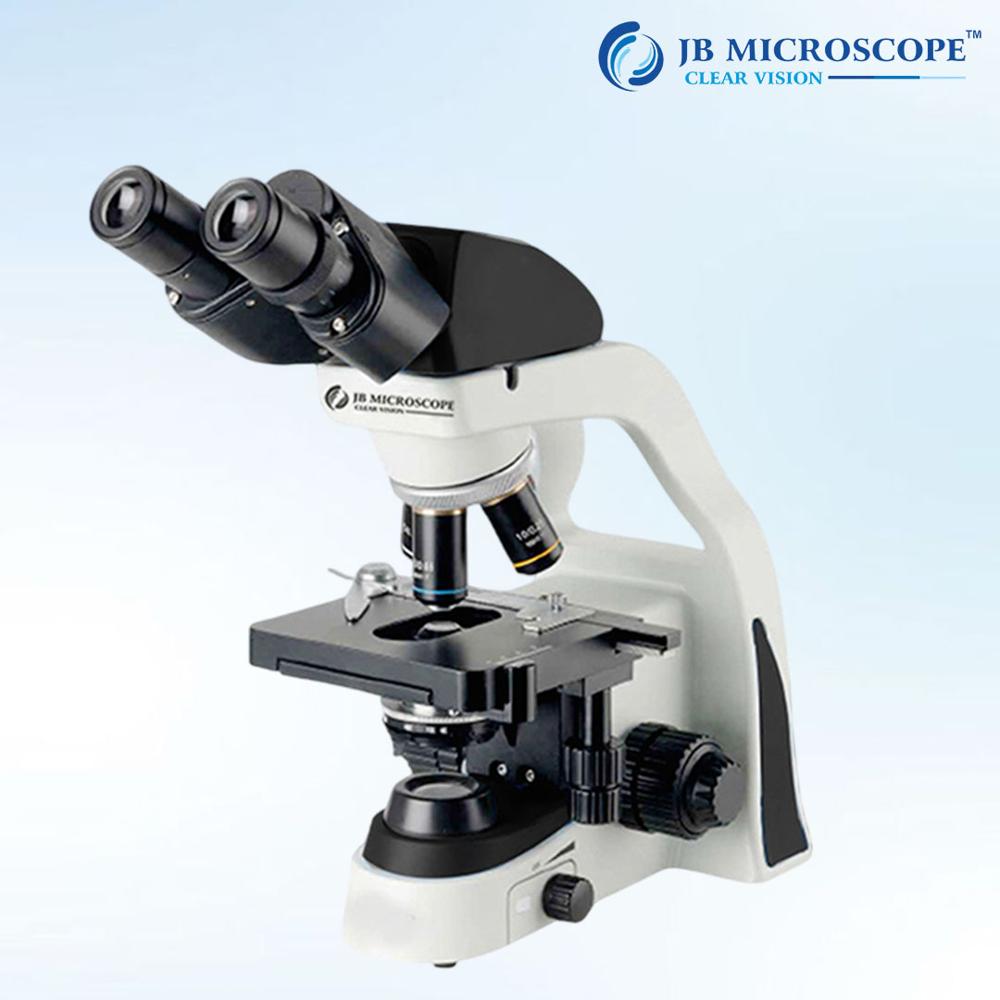
About Inverted Biological Research Microscope JBM-41
| Microscope type |
Inverted |
| Magnification range |
40X 500X |
| Illumination |
LED |
| Light Source |
LED |
| Objective type |
Plan achromatic |
| Model Name/Number |
JBM-41 |
| Condenser |
Phase contrast, Swing out, Dark field |
| Focusing |
Coaxial |
| Eyepiece |
PL10X/22mm |
| viewing |
45 degree inclined |
| Objective |
4X/10X/20X/40X/50X |
| Stage |
215mm X 250 mm Sixed stage |
| Camera adapter |
0.35X, 0.5X, 0.65X, 1X |
| Magnification |
500x |
Minimum order quantity: 1 Piece
Bench Magnifier are designed of specialized inspection requirements in thedifferent industries under specific applications. These magnifiers havemaximum magnification upto 5x (Approx.).The magnification is without anychromatic or spherical aberration over the entire field of view, providing perfectstrain-free vision.
Magnacope - Magnigying Lamp
Lens Size - 4" / 5" / 8"
Light - CFL round ligh (Better Illumination)
Uses - Inspection of PCB, Metal part
Advanced Optics for Precision ResearchThe JBM-41 incorporates achromatic long working distance objectives and anti-fungal coated optics to deliver sharp, high-contrast images essential for detailed examination of cultured cells and tissues. Its quadruple nosepiece enables smooth switching between 4X, 10X, 20X, and 40X objectives, ensuring versatility in magnification.
Ergonomic and Versatile Sample HandlingThis microscope features a large mechanical stage, compatible with various specimen holders for petri dishes, tissue flasks, and multiwell plates. With precise X-Y movement and vernier scales, you can easily navigate and focus on samples for in-depth study. The design supports researchers' comfort during prolonged usage.
Expandable Digital Imaging CapabilitiesEquipped with a trinocular head and mechanical tube port, the JBM-41 allows seamless connection of compatible digital cameras for still and video capture. Adjustable illumination and filter options enable clear image documentation, meeting the demands of modern photomicrography and research documentation.
FAQ's of Inverted Biological Research Microscope JBM-41:
Q: How does the JBM-41 microscope benefit cell and tissue culture research?
A: The JBM-41's inverted design and long working distance objectives allow for direct observation of live cells in flasks and petri dishes, minimizing sample disturbance and providing clear imaging for accurate research outcomes.
Q: What digital imaging options are available for the JBM-41?
A: The microscope's trinocular head and mechanical tube port support standard digital cameras, allowing users to capture still images (up to 12MP) and record videos (up to 1080p HD), with frame rates and resolutions dependent on the connected camera.
Q: When is it appropriate to use the inverted format of this microscope?
A: Inverted microscopes like the JBM-41 are best used when observing cells or tissues grown in petri dishes, multiwell plates, or culture flasks, often vital in cell biology, microbiology, and medical labs for in situ, live cell analysis.
Q: Where can users adjust stage position and focus for precise sample observation?
A: The microscope is equipped with a mechanical stage offering 54 x 75mm movement, X-Y vernier scales, and coaxial coarse and fine focusing knobs with tension adjustment, permitting exact positioning and focusing during examination.
Q: What are the advantages of the anti-fungal treatment on the optics?
A: The anti-fungal coating prevents degradation of lenses and prisms, ensuring long-term clarity and reliability, a valuable benefit in humid environments commonly found in many Indian laboratories.
Q: How can the illumination and filter options enhance research processes?
A: With a 6V 20W halogen lamp, variable intensity control, and included blue, green, and frosted filters, users can optimize contrast and image clarity to suit specific sample types and techniques.
Q: What spare parts and expansion options are available for the JBM-41 microscope?
A: Spare eyepieces, bulbs, fuses, and additional objectives are available as accessories, and the modular design accommodates photomicrography expansion, increasing the microscope's versatility and supporting research progression.
 Rajouri Garden,New Delhi, India





 Send Inquiry

 Send Inquiry


 Send Inquiry
 Send SMS
 Call Me Free